

Why Growing Companies in Malaysia Need Financial Modelling Services

Expanding a business creates new opportunities, but it also brings greater financial complexity. As companies grow, developing accurate forecasts, budgets, and strategic planning becomes increasingly important.
In the early stages of the business life cycle, many business decisions are based on assumptions and limited historical data. However, as a company grows, more structured financial planning becomes essential. At a more advanced stage, greater rigour is required. Through financial modelling, shareholders can understand their income, expenditures, earnings, cash flow, and investments.
Many companies today are considering using financial modelling services to support planning and minimise risks. This has become even more important for businesses looking to expand, attract investors, or secure financing. Financial modelling has become increasingly crucial in Malaysia as companies navigate economic uncertainties, increasing competition, and evolving market conditions.
What is Financial Modelling?
Many business owners ask, “What is financial modelling?”
Financial modelling is the creation of a company’s financial model using spreadsheets and financial data. This includes forecasting future financial performance.
A financial model can estimate:
- Future sales revenue
- Operational expenses
- Gross profit margin
- Cash flows
- Funding requirements
- Business value
- Returns on investment
The primary aim of financial modelling is to support decision-making through data-driven forecasts and scenario analysis.
Why Financial Modelling Matters for Growing Businesses
As businesses grow, financial decision-making becomes more complex. Companies need to understand how various business activities can affect their profitability and cash flows.
Without adequate planning, businesses could encounter:
- Lack of cash
- Excessive investment
- Poor budgeting
- Insufficient funding
- Slow business growth
A well-developed financial model provides greater visibility into potential future financial performance.
The Core Components of Financial Modelling
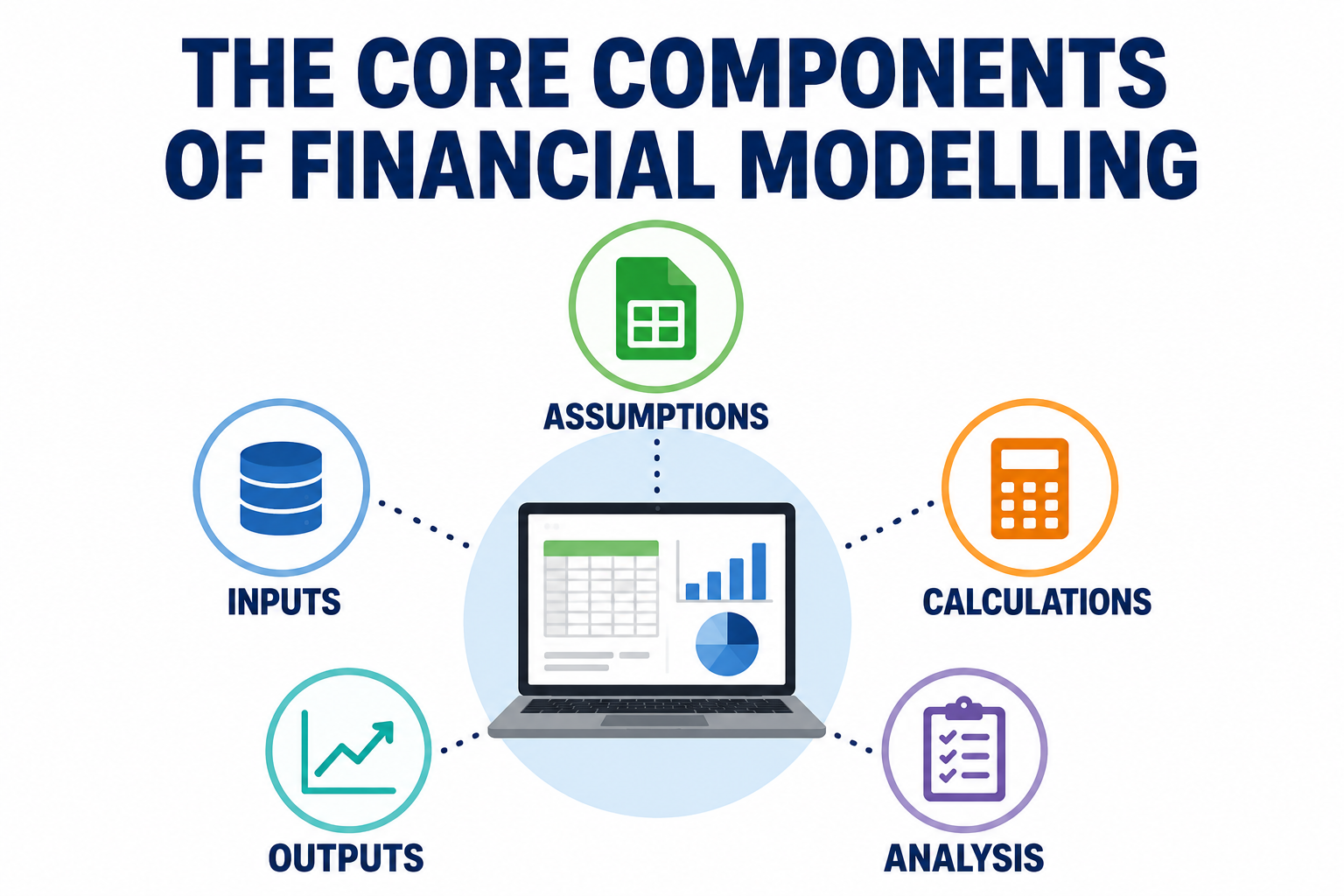
Effective financial modelling involves much more than simply entering numbers into a spreadsheet. It involves building an integrated financial framework based on sound accounting principles. Professional financial modelling comprises several components:
The Income Statement (Profit & Loss): Projects expected revenue, cost of goods sold, operating expenses, and net profit over a specific period.
The Balance Sheet: Provides information regarding the company’s assets, liabilities, and shareholders’ equity at a given point in time.
The Cash Flow Statement: Reflects the actual flow of cash into and out of the business, ensuring adequate liquidity.
Assumption Sheets: A separate section where key variables such as pricing, sales volumes, staffing, inflation rates, and growth assumptions can be adjusted easily.
Crucial Fact: A financial model is only as reliable as the assumptions on which it is based. Unrealistic assumptions can lead to inaccurate forecasts and poor business decisions.
Why Malaysia Companies Face Unique Growth Challenges
Malaysia offers significant opportunities for businesses, but growing companies also face several challenges. Rising operational costs, talent acquisition expenses, and fluctuating market conditions can affect profitability. In addition, many Malaysia businesses expand into neighbouring ASEAN markets to drive growth and diversify revenue streams.
This expansion often introduces complexities related to foreign currency exposure, regulatory requirements, taxation, and cross-border operations. To address these challenges, companies increasingly rely on financial modelling in Malaysia to gain greater clarity and confidence when making strategic decisions.
Key Reasons Why Growing Companies Need Financial Modelling Services
Accurate financial data and effective planning become more challenging as businesses expand. While simple spreadsheets may be sufficient during the early stages, larger businesses require professional financial modelling services to support long-term strategic planning.
Securing Funding and Investment
To obtain bank financing or attract investors, businesses need to demonstrate their current financial position, future growth potential, and expected returns. A financial model provides projections for revenue, expenses, cash flow, and profitability. This enhances credibility and can improve the likelihood of securing funding.
Managing Cash Flow During Growth
Many businesses struggle not because of insufficient sales, but due to poor cash flow management. Expansion often requires investments in inventory, technology, marketing, and workforce development before customer payments are received. Financial models help companies forecast cash requirements, identify funding gaps, and secure financing proactively.
Scenario Planning and Risk Management
Business conditions can change rapidly. Sales may decline, costs may rise, or unexpected economic events may occur. Through professional forecasting, companies can assess different scenarios and understand their potential financial impact. This enables management to develop contingency plans and mitigate future risks.
Core Benefits of Financial Modelling in Malaysia
Professionally developed financial models offer several benefits to growing companies in Malaysia.
Better Access to Government Grants and Incentives
Malaysia offers various government grants, incentives, and business support programmes for eligible companies. Many applications require financial projections and supporting business plans. A robust financial model demonstrates how funding will contribute to business growth and may improve the chances of approval.
Smarter Investment Decisions
Growing businesses often face multiple investment opportunities competing for limited resources. Financial modelling enables companies to evaluate potential returns and allocate resources more effectively based on projected financial performance.
Internal Spreadsheets vs. Professional Financial Modelling Services
Businesses often believe they can develop their own financial forecasts internally. However, the role of bookkeepers and financial modellers differs significantly. Bookkeepers focus on recording historical transactions, whereas financial modellers focus on forecasting future outcomes.
Internally developed spreadsheets may contain formula errors, outdated assumptions, or inaccurate calculations. Professional financial modellers apply established methodologies and forecasting techniques to develop reliable financial projections, giving management better insights for decision-making.
How to Choose the Right Service Provider
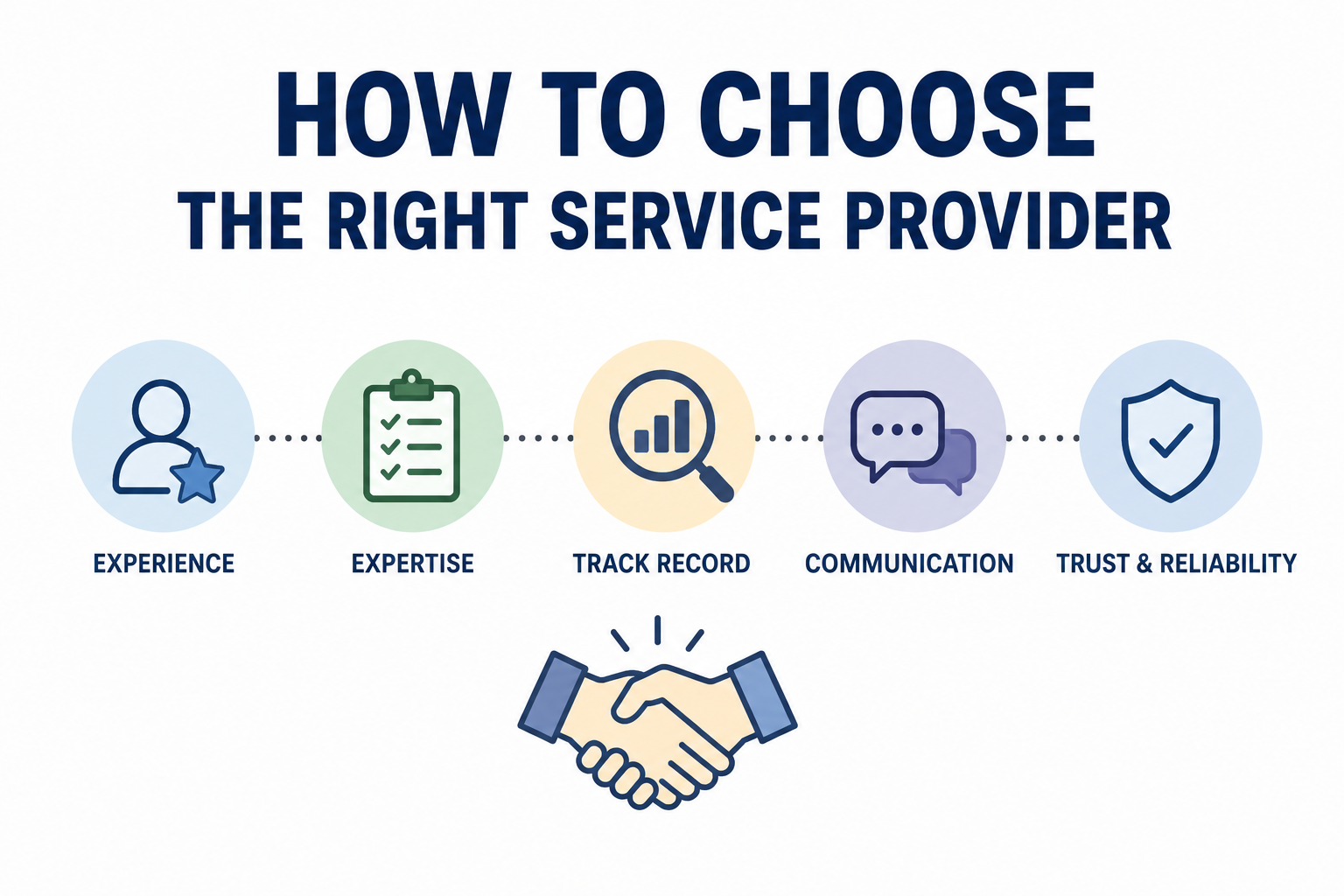
If you decide to engage a professional service provider, consider the following factors:
Relevant Industry Experience: Ensure the provider understands your industry, whether it is SaaS, retail, manufacturing, logistics, or professional services.
Dynamic Model Design: Look for a service provider that can build a clear, flexible, and robust model that allows sensitivity analysis and easy adjustment of assumptions.
Post-Delivery Support: Choose a provider that offers training and ongoing support so your team can understand, maintain, and update the financial model effectively.
Conclusion
Running a business without a clear financial roadmap can lead to poor planning and ineffective decision-making. A company may grow rapidly but still lack visibility into future challenges and financial risks. Financial modelling services are essential for growing companies in Malaysia.
By integrating financial modelling into your business planning process, you gain valuable insights into your company’s financial performance and growth potential. Financial modelling helps businesses secure investment, navigate changing market conditions, and manage cash flow more effectively.
For companies seeking sustainable and well-planned growth, investing in professional financial modelling services can support better decision-making and improve the likelihood of achieving long-term business objectives.
The article lists future sales revenue, operational expenses, gross profit margin, cash flows, funding requirements, business value, and returns on investment as things a financial model can project, with the aim of supporting decision-making through data-driven forecasts and scenario analysis.
It names the Income Statement (Profit & Loss), the Balance Sheet, the Cash Flow Statement, and Assumption Sheets (where variables like pricing, sales volumes, staffing and inflation can be adjusted), noting a model is only as reliable as the assumptions it's built on.
It cites rising operational costs, talent acquisition expenses, and fluctuating market conditions, plus the complexities of expanding into ASEAN markets such as foreign currency exposure, regulatory requirements, taxation, and cross-border operations.
It says bookkeepers focus on recording historical transactions, whereas financial modellers focus on forecasting future outcomes, and warns that internally built spreadsheets may contain formula errors, outdated assumptions, or inaccurate calculations compared to professionally built models.
The article explains that many grant and incentive applications require financial projections and supporting business plans, and a robust financial model demonstrates how funding will contribute to business growth, which may improve the chances of approval.
It recommends checking for relevant industry experience (SaaS, retail, manufacturing, logistics, etc.), dynamic model design that allows sensitivity analysis and easy adjustment of assumptions, and post-delivery support such as training so the client's team can maintain the model.
